

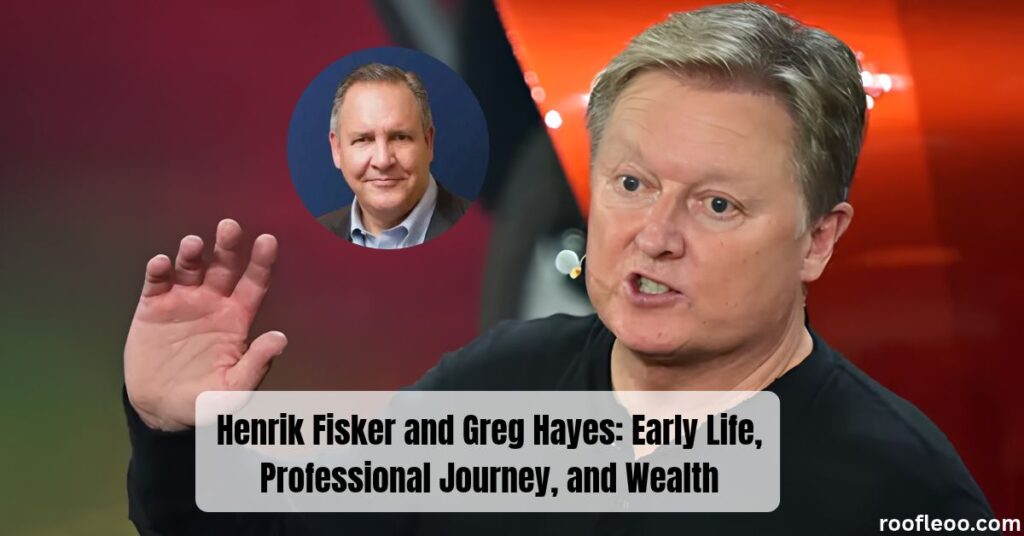
Type henrik fisker and greg hayes into a search bar and you’ll see an odd pairing. One man sketched sleek electric cars and lost two car companies. The other steered a global aerospace and defense giant through mergers, spin-offs, and a smooth handoff. So why do people keep searching for them together?
Curiosity drives most of it. Readers want to compare a famous designer-founder with a veteran corporate chief. They also want the money story behind each name. That’s what you’ll find here.
This guide walks through the early life, careers, and wealth of both men. It also answers a question that trips up many articles: is there a real connection between them? You’ll get clear facts, simple tables, and a few practical lessons you can use in your own work or business.
Who Is Henrik Fisker?
Henrik Fisker is a Danish-born car designer and entrepreneur. He’s best known for two things. First, he penned some of the most admired cars of the past thirty years. Second, he founded two electric vehicle companies that both ended in bankruptcy.
That mix of talent and turmoil makes his story hard to ignore.
Early Life and Design Roots
Fisker was born in Denmark in 1963. Like many car designers, he fell for automobiles as a kid. He drew them, studied them, and dreamed about shaping them. That passion pushed him toward formal design training, and he studied at the Art Center College of Design, a school known for turning out top automotive stylists.
Design school gave him more than skills. It gave him a network. Many of the people who shape the world’s most famous car brands trained in the same studios.
Early Career Snapshot
After school, Fisker joined BMW. There he worked on cars that carried a clean, confident look. He then moved to Aston Martin, where he rose to lead the design team in the early 2000s. His work at those two brands built his reputation as a stylist who could make a car look expensive even when it stood still.
Think of a designer as the person who writes a car’s first sentence. Buyers see the shape before they hear about range, horsepower, or price. Fisker wrote very good first sentences.
Quick facts about Henrik Fisker:
- Born: 1963, Denmark
- Known for: Automotive design, Fisker Automotive, Fisker Inc.
- Previous employers: BMW, Aston Martin
- Companies founded: Fisker Coachbuild, Fisker Automotive, Fisker Inc.
- Major setbacks: Chapter 11 filings in 2013 and 2024
Who Is Greg Hayes?
Greg Hayes (Gregory J. Hayes) lives in a different world. You won’t find him sketching cars. Instead, you’ll find his name on balance sheets, merger agreements, and boardroom agendas.
Hayes led RTX, one of the largest aerospace and defense companies on Earth. Before that, he ran United Technologies Corporation, known as UTC.
Background and Path to the Top
Hayes was born around 1960 and built his career on the finance side of industry. That detail matters. Many chief executives climb through engineering or sales. Hayes rose through accounting, strategy, and business development. He knew how deals worked before he ever ran a company.
He spent nearly 21 years at UTC. He joined in the early 2000s and moved up through senior finance roles. He served as chief financial officer before taking the top job.
From Finance Chief to CEO
UTC named Hayes chief executive in 2014. Two years later he added the chairman title. By then he had a clear plan: shrink a sprawling conglomerate into a sharper aerospace business.
That plan reshaped the company. It also set up the merger that created RTX in April 2020.
Quick facts about Greg Hayes:
- Born: Around 1960
- Known for: Leading UTC and RTX
- CEO of UTC: 2014 to 2020
- CEO of RTX: 2020 to May 2024
- Executive Chairman of RTX: May 2024 to April 2025
- Special Advisor to the CEO: April 2025 through early January 2026
Why Henrik Fisker and Greg Hayes Attract Business Interest
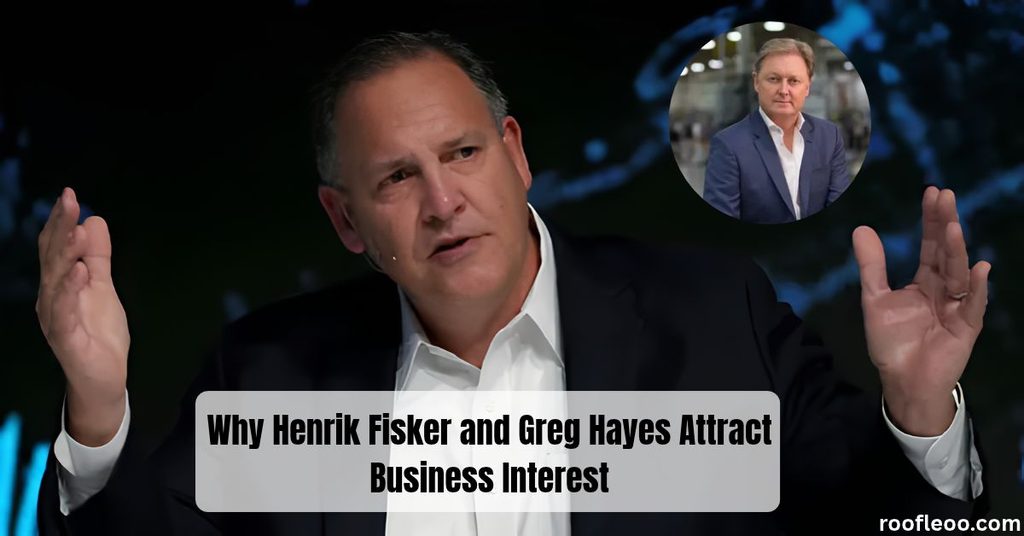
The two names pull in readers for different reasons. Yet the interest overlaps in a few useful ways.
The Rise-and-Fall Appeal
Fisker’s story reads like a movie. A famous designer starts a company. Investors pour in cash. A stock market debut sends the valuation soaring. Then production hiccups, recalls, and cash burn bring it all down.
People love to ask what went wrong. They also love to ask whether it could happen again.
The Corporate Giant Appeal
Hayes draws a different crowd. Investors, students, and managers study how he turned a huge conglomerate into a focused company. They want to know how he handled billion-dollar deals and passed the baton without drama.
For example, a business student can learn more from his spin-offs than from many textbooks.
The Wealth Question
Money fuels searches for both men. Readers want to know how much a celebrity designer earned compared with a long-serving corporate chief. Fair enough. We’ll cover that below with clear numbers and honest context.
A Note on the Pairing
Here’s the plain truth. Public records show no business partnership between the two. People group them together because both sit near the heart of modern industry. One works in cars while the other works in aerospace and defense. Still, the keyword henrik fisker and greg hayes shows up in searches because readers like side-by-side comparisons.
Henrik Fisker’s Automotive Design Career and Major Achievements
Before the bankruptcies came the beautiful cars. That part of the story deserves its own spotlight.
Work at BMW
Fisker’s best-known BMW project was the Z8, a retro-modern roadster that turned heads the moment it appeared. It later gained fame on screen in a James Bond film. Collectors still chase the car today because its design has aged so well.
The Z8 showed Fisker’s gift for blending nostalgia with fresh lines.
Leading Design at Aston Martin
At Aston Martin, Fisker helped define a new era. He led the design work on models such as the DB9 and the V8 Vantage. Those cars gave the brand a graceful, muscular look that stayed fresh for years.
Many fans still call that period a golden age for the marque.
Starting His Own Studio
Fisker then struck out on his own. He launched Fisker Coachbuild, a boutique shop that turned existing luxury cars into custom, low-volume designs. The studio built limited, hand-finished cars for wealthy buyers.
He also teamed up with Galpin Auto Sports, a well-known California dealer. Together they created the Fisker-Galpin Rocket, a modified Mustang with carbon-fiber bodywork and a price around $125,000. The project showed his range. He could style a European luxury coupe and an American muscle car with equal flair.
An Industry Story Worth Mentioning
Industry lore adds one more twist. Fisker was reportedly hired early on to design the car that became the Tesla Model S. Tesla ultimately finished that car through a different path. Still, the tale shows how closely his career brushed the electric car revolution.
Why Design Success Didn’t Guarantee Business Success
Here’s the key lesson. Designing a car and running a car company are different jobs. A designer shapes the look. A chief executive manages suppliers, factories, cash, quality, and legal risk.
Fisker was a brilliant designer. His companies, however, kept tripping over the second set of skills.
Notable design credits at a glance:
| Project | Brand or Studio | Why It Mattered |
|---|---|---|
| Z8 | BMW | Retro-styled roadster that became a collector favorite |
| DB9 | Aston Martin | Set a new look for the brand’s grand tourers |
| V8 Vantage | Aston Martin | Brought a more compact, athletic shape |
| Coachbuild creations | Fisker Coachbuild | Low-volume, hand-built luxury designs |
| Rocket | Fisker and Galpin | Carbon-fiber muscle car with a six-figure price |
| Karma | Fisker Automotive | A luxury plug-in hybrid sedan |
Fisker Automotive, Fisker Inc., and the Challenges of Electric Vehicles
Now to the hardest chapter. Fisker launched two EV brands. Both stumbled. Understanding why helps you see how tough the car business really is.
Fisker Automotive: The First Attempt
Fisker founded Fisker Automotive in 2007 in Anaheim, California. The company’s first product was the Karma, a stylish plug-in hybrid sedan aimed at wealthy early adopters. Critics praised its looks. The car, however, struggled with quality problems and slow production.
Then trouble piled up:
- Battery supplier failure: The company’s battery maker went bankrupt in 2012.
- Natural disaster: Hurricane Sandy damaged hundreds of unsold Karmas at a New Jersey port.
- Government loan pressure: The company had drawn on a U.S. Department of Energy loan and couldn’t repay it as planned.
- Cash shortage: Sales stayed far below the numbers needed to cover costs.
Henrik stepped away from the company in 2013. The business filed for Chapter 11 later that year. In the end, taxpayers were left holding about $139 million in unpaid loan money.
A Chinese firm later bought the remaining assets. It used them to build the Karma-branded cars you may see on the road today.
Fisker Inc.: The Second Chance
Fisker didn’t quit. In 2016 he announced a brand new company, also called Fisker Inc. This time he promised an all-electric future. In his own words, the first product would be “a spiritual successor to the Fisker Karma.”
Early plans were bold. The company promised long range, advanced battery tech, and fast charging. It later pivoted to a more practical idea: an electric SUV called the Ocean, built under contract by the Austrian manufacturer Magna Steyr.
In 2020, Fisker Inc. went public through a merger with a special purpose acquisition company, backed by Apollo Global Management. Investors cheered. At the peak, the company’s market value climbed as high as $8 billion.
The Ocean and Its Problems
The Ocean started rolling off the line in late 2022. Deliveries followed in 2023. Early buyers loved the styling and the solar roof. However, many ran into software glitches, quality issues, and parts delays.
The numbers tell the story:
| Metric (2023) | Figure |
|---|---|
| Vehicles delivered | 4,929 |
| Spending on operating and investing activities | About $904.9 million |
| Fourth-quarter 2023 loss | About $680 million |
Those figures show a company spending far more than it earned. A company can survive that for a while. It can’t survive it forever.
Case Study: How a Hot Startup Ran Out of Road
Let’s trace the final stretch, step by step.
- Late 2023: Fisker faces early signs of financial distress.
- February 2024: The company warns it could run out of money within a year and pauses some production.
- March 2024: News reports reveal talks with a major automaker and a plan to hire restructuring advisers. The stock plunges about 50 percent to roughly 16 cents a share. The NYSE later delists it.
- Spring 2024: Recalls and dozens of lemon law suits pile up.
- June 17, 2024: The operating unit, Fisker Group, files for Chapter 11 in Delaware. Fisker Inc. and other U.S. subsidiaries follow within days.
The filing listed assets between $500 million and $1 billion against liabilities between $100 million and $500 million. It also listed several hundred creditors. The company said it would sell its assets.
Management Questions
Reports from former workers described problems inside the company. They said the founder acted more like a public face while his wife, Geeta Gupta-Fisker, handled many day-to-day choices as chief financial officer and chief operating officer. A company spokesperson disputed that picture and said Henrik was deeply involved.
You can read that dispute two ways. Either way, it shows how leadership structure shapes a young company.
Why EV Startups Struggle
Fisker’s story isn’t unique. Several EV makers, including Lordstown, Electric Last Mile Solutions, and Proterra, also failed. Common challenges include:
- Huge upfront costs for factories, tooling, and software
- Dependence on partners for manufacturing and batteries
- Slow ramp-ups that burn cash before sales arrive
- Quality control gaps that hurt reviews and resale value
- Funding droughts when investors lose appetite
Henrik Fisker Net Worth: Paper Wealth Versus Real Wealth
Money is the most misunderstood part of this story. At the 2021 stock peak, some headlines even called Fisker a billionaire. That number lived on paper. It depended on a share price that later collapsed.
Here’s the clearer picture:
- Peak company value: Up to about $8 billion
- Late-stage stock price: Fell to roughly 16 cents after the March 2024 news
- Public listing status: Delisted from the NYSE
- Founder’s company outcome: Chapter 11 and an asset sale
So any single Henrik Fisker net worth figure you see online deserves caution. His wealth came from design salaries, his boutique studio, and stock in a company that lost almost all its value. Treat peak-era numbers as history rather than today’s balance.
Greg Hayes and His Influence on Industrial Business Strategy
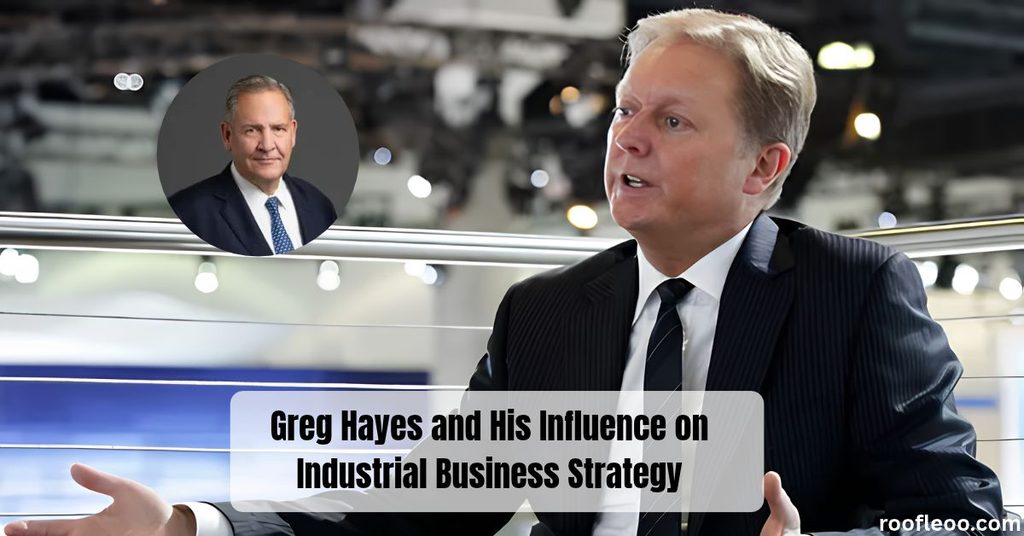
Hayes’s story runs on a very different track. Where Fisker’s companies collapsed, Hayes’s company grew. His edge came from careful portfolio choices and steady planning.
Reshaping UTC Into a Focused Company
When Hayes became CEO in 2014, UTC was a conglomerate. It made elevators, air conditioners, helicopters, jet engines, and aircraft parts. That mix looked diversified. Yet it also confused investors.
Hayes simplified. His major moves included:
| Year | Move | Why It Mattered |
|---|---|---|
| 2015 | Sold Sikorsky Aircraft to Lockheed Martin | Exited helicopter manufacturing |
| 2018 | Bought Rockwell Collins | Added avionics and aerospace systems |
| 2020 | Spun off Otis (elevators) and Carrier (climate systems) | Left a pure aerospace company |
| 2020 | Merged with Raytheon | Created RTX with a defense arm |
Picture a overstuffed closet. Hayes cleared out the clutter and kept the best pieces.
Building RTX
The April 2020 merger brought together Pratt & Whitney, Collins Aerospace, and Raytheon. Later, RTX reorganized from four business units to three. The new structure made the company easier to run and easier to explain.
By 2024, RTX reported sales above $80 billion and employed more than 185,000 people. Before the 2024 handoff, Hayes had been leading about 180,000 employees and roughly $67 billion in annual sales. That growth shows how much the company expanded under his watch.
Tough Calls and Honest Words
Hayes never hid from problems. In 2022 he called a key rocket-motor supplier “the weak link” in the supply chain after delays hit missile production. He also pushed the Pentagon to speed up replacement contracts for weapons sent to Ukraine.
His tenure also faced real turbulence. In 2023 a powder-metal flaw in some Pratt & Whitney engines forced extra inspections and a multibillion-dollar charge. Large companies face hits like that. The test is how leaders respond.
A Textbook Succession
One of Hayes’s strongest moves was how he left. The board ran a long succession process lasting about three years. In December 2023 it named Chris Calio, then president and chief operating officer, as the next CEO.
Calio took over on May 2, 2024. Hayes stayed on as executive chairman to ensure a smooth transition. Then in early 2025 he announced he would step down from the chairman role and the board before the annual meeting. Calio became chairman effective April 30, 2025. Hayes moved into a special advisor position through January 2, 2026.
That’s about as orderly as a leadership change gets.
Greg Hayes Net Worth: Clear Estimates
Hayes earned most of his wealth through pay packages weighted toward company stock. In 2015, for example, UTC’s proxy showed total compensation of about $10.8 million. In October 2020 he also bought 55,000 shares of RTX stock at roughly $54.82 each. That purchase, worth about $3 million, signaled confidence in the new company.
Market-data trackers publish estimates that differ because they count shares and prices at different moments. Here’s a snapshot:
| Estimate Type | Approximate Figure |
|---|---|
| Mid-2026 estimate, first tracker | About $107 million |
| Mid-2026 estimate, second tracker | At least $165 million |
| RTX shares estimated held | About 581,791 |
| Shares sold since 2021 | About 330,577 |
| Estimated proceeds from those sales | About $38.1 million |
| Largest single sale | 96,287 shares in July 2024 |
So a fair range for the Greg Hayes net worth is roughly $107 million to $165 million, depending on share price and method. These figures are estimates. They aren’t audited.
Comparing Henrik Fisker and Greg Hayes
A table makes the contrast easy to see. Here’s how henrik fisker and greg hayes stack up side by side.
| Category | Henrik Fisker | Greg Hayes |
|---|---|---|
| Home base | Denmark and California | United States |
| Industry | Automotive design and EVs | Aerospace and defense |
| Training | Design school | Finance career track |
| Leadership style | Visionary, brand-driven founder | Disciplined, portfolio-minded CEO |
| Company type | Startups | Established global corporation |
| Biggest win | Iconic car designs | Creating RTX and a focused aerospace business |
| Biggest setback | Two Chapter 11 filings | Engine inspection charges and supply chain strain |
| Wealth picture | Large paper swings tied to stock | Stable, stock-heavy compensation |
| Exit | Companies sold off in bankruptcy | Planned, orderly succession |
What the Table Really Says
Fisker built from scratch. Hayes transformed something that already existed. Starting a company demands vision and risk tolerance. Reshaping a giant demands patience and discipline.
Neither skill is better. They’re simply different. Still, the comparison shows why the same industry can reward one leader and punish another.
What Is the Confirmed Connection Between Henrik Fisker and Greg Hayes?
Let’s address this head on. Public records show no confirmed business or personal link between Henrik Fisker and Greg Hayes. They didn’t found a company together. They didn’t sit on a shared board according to any reliable filing. They don’t appear in the same deal.
Why the Pairing Still Exists
Several things explain why readers search for both names together:
- Industry overlap: Both work in sectors that build complex machines.
- Net worth curiosity: People like comparing a celebrity founder with a corporate chief.
- Search habits: Related-name suggestions can push unrelated people together.
- Content trends: Some sites publish comparison pieces to capture traffic.
How to Spot Weak Claims
If you see an article claiming a secret partnership, ask three questions:
- Does it name a specific deal, date, or filing?
- Does it point to a company announcement or court record?
- Does it rely on vague phrases like “reportedly close”?
If the answers are no, no, and yes, move on. Strong claims need strong evidence.
Business Lessons From Their Different Leadership Experiences
Two different careers can still teach you a lot. Here are the lessons that stand out.
Design Vision Needs Operations
Fisker could draw a gorgeous car. Yet beauty alone doesn’t pay suppliers or fix software bugs. If you run a business, pair creative strengths with operational talent. A great product needs a great process behind it.
Planning Beats Improvising
Hayes and his board planned a succession for years. That slow, deliberate approach avoided panic. You can copy this idea at any size. Decide who steps in next, and train them before you need them.
Timing and Capital Matter
Fisker Inc. raised money in a hot market. Later the market cooled and cash ran short. Cheap capital can feel like a gift. Still, it hides risk when revenue lags behind spending.
Hayes, by contrast, worked with an established cash-producing business. That gave him room to make long-term bets.
Know When to Restructure
Hayes sold and spun off whole divisions before they became a drag. Fisker’s team sought rescue talks only after the situation turned dire. Acting early gives you more options. Waiting narrows them.
Case Study: Two Approaches to Risk
| Situation | Fisker Approach | Hayes Approach |
|---|---|---|
| Funding | Relied on investor enthusiasm and partnerships | Relied on operating cash and strategic deals |
| Manufacturing | Outsourced a new product | Managed established factories |
| Crisis response | Late rescue talks, then bankruptcy | Restructured the portfolio early |
| Leadership change | Founder-driven | Multi-year succession plan |
Practical Takeaways You Can Use
- Hire for your weak spots. If you’re a creative, find an operator.
- Test before you scale. Small launches reveal big problems cheaply.
- Watch cash like a hawk. Run a monthly forecast.
- Plan your exit. Even if it’s years away.
The Future of Automotive Innovation and Industrial Leadership
What comes next for both worlds? Let’s look at each.
Where Automotive Innovation Is Heading
The EV market isn’t going away. Demand keeps growing in many regions. However, investors now ask tougher questions. They want proof of demand, strong margins, and a clear path to profit.
New entrants face steep hurdles. Established automakers already have factories, dealers, and supply deals. A startup with only a great design won’t be enough anymore.
Expect these trends to shape the next few years:
- Partnerships over solo builds: More startups will share factories and platforms.
- Software focus: Over-the-air updates and user experience will matter more.
- Battery progress: Better chemistry should lower costs and extend range.
- Consolidation: Weaker brands will merge or disappear.
Designers like Fisker will still have a place. Great design sells cars. But it works best inside a company with discipline.
Where Industrial Leadership Is Heading
Aerospace and defense face their own pressures. Orders are strong. Backlogs are large. Yet supply chains remain stretched, and companies must deliver on time. Leaders who followed Hayes inherit big demand and big expectations.
That’s why Calio’s focus on execution and technology matters. Winning in this field now means building more, faster, with fewer surprises.
A Closing Thought on Both Paths
The future rewards leaders who blend big ideas with steady execution. Fisker brought the ideas. Hayes brought the execution. Imagine a leader with both.
Frequently Asked Questions
Who are Henrik Fisker and Greg Hayes?
Henrik Fisker is a Danish-born automotive designer who founded Fisker Automotive and Fisker Inc. Greg Hayes is a veteran executive who led UTC and then RTX. They work in different industries.
Did Henrik Fisker and Greg Hayes work together?
No. Public sources show no partnership, shared company, or joint project involving the two. Searches tend to pair them because readers like comparing a famous designer-founder with a long-serving corporate chief.
What is Henrik Fisker best known for?
He’s best known for car designs at BMW and Aston Martin, including the Z8, DB9, and V8 Vantage. He’s also known for founding two EV companies that ended in bankruptcy.
What was Greg Hayes’s role at RTX?
Hayes became CEO of RTX when it formed in April 2020. He held that role until May 2, 2024, then served as executive chairman. In 2025 he moved to a special advisor position that ran through early January 2026.
Why did Fisker Inc. file for bankruptcy?
Several problems hit at once. Sales stayed low while costs stayed high. The Ocean SUV faced recalls, quality complaints, and lemon law suits. Production slowed and talks with a major automaker failed. The company then ran out of cash and filed for Chapter 11 in June 2024.
What can businesses learn from their careers?
Great ideas need strong operations. Planned succession reduces risk. Cash management matters more than hype. And early restructuring often beats a late scramble.
How much is Greg Hayes worth?
Market-data estimates place his net worth between about $107 million and $165 million as of mid-2026. Most of it comes from RTX stock and stock-based pay.
What happened to Henrik Fisker’s wealth?
Much of it was tied to Fisker Inc. stock. That stock lost almost all of its value before the company entered bankruptcy. Peak-era figures no longer reflect his finances.
Conclusion
The story of Henrik Fisker and Greg Hayes teaches more through contrast than comparison. One man designed stunning cars and built two ambitious companies that couldn’t hold together. The other reshaped a conglomerate, created a global aerospace leader, and handed it off with a steady hand.
You’ve seen their early lives, their career highlights, and their wealth. You’ve also seen that no confirmed link ties them together. That clarity matters in a web full of recycled claims.
Fisker reminds you that talent isn’t enough. Hayes shows you that discipline pays off. Together, their paths offer a simple message: pair vision with execution, and plan for the long haul.
Which style would you back, the bold founder or the steady strategist? Share your thoughts in the comments below.

